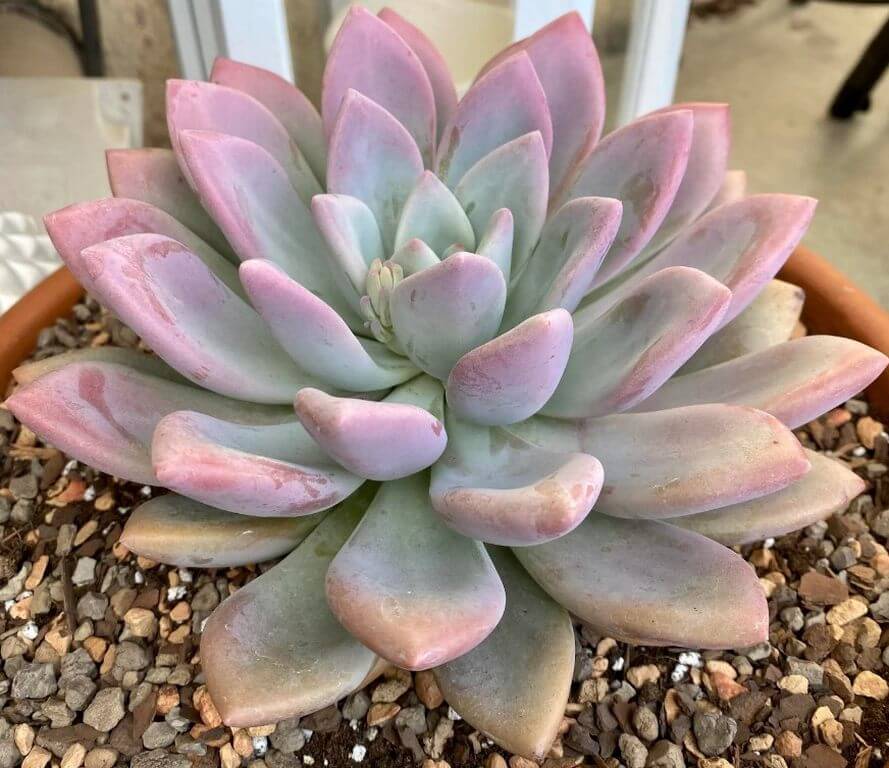
Pachyphytum hookeri is a succulent that grows slowly and quietly. It comes from rocky places in Mexico and holds water in thick, plump leaves. While it seems simple to care for, it needs certain conditions to thrive—like the right soil, sunlight, and water.
This plant asks for attention to detail, especially in dry or cold seasons. Knowing its natural habits helps one give it what it needs. With care and patience, Pachyphytum hookeri can live well indoors or outside.
Key Takeways
- Pachyphytum hookeri needs well-draining soil and controlled watering.
- It prefers bright light but must be protected from frost.
- Propagation is easy with leaves or stems, making it simple to grow more plants.
Plant Description
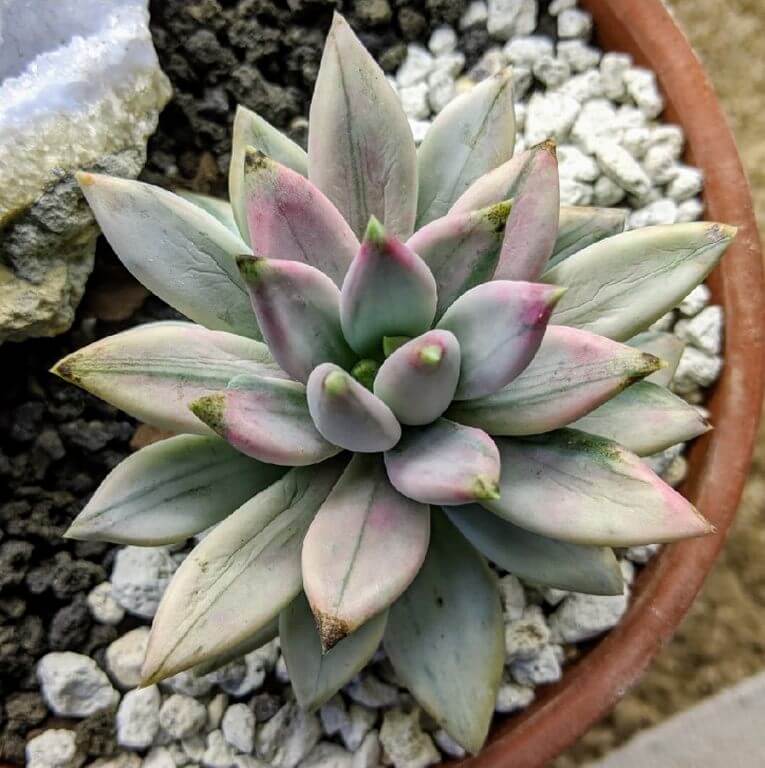
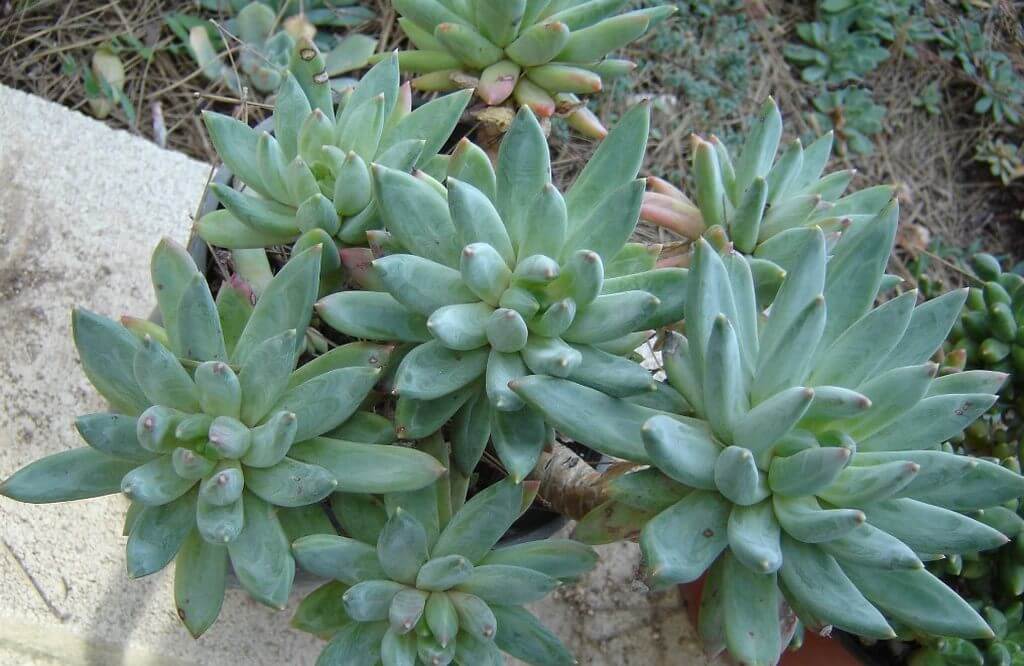
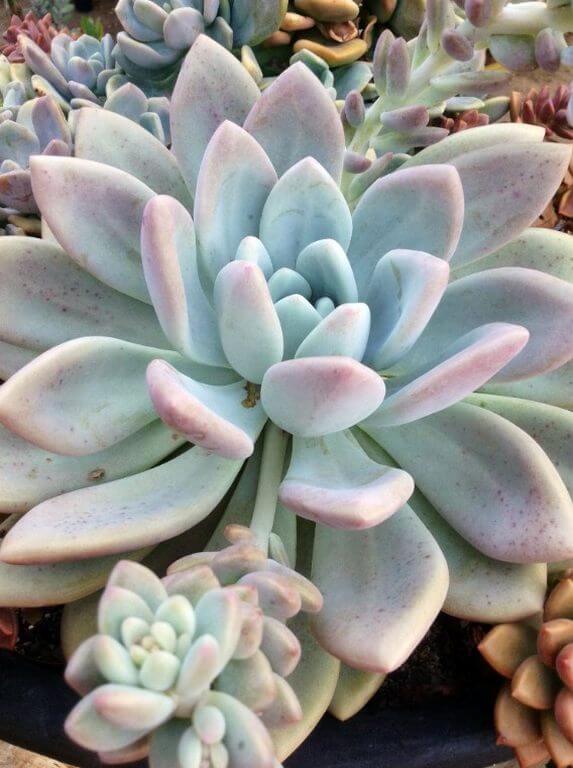
Pachyphytum hookeri is a slow-growing succulent from Mexico. Its thick, plump leaves form loose rosettes that sit atop stems reaching about 20 inches (50 cm). The leaves show colors like green, orange, and purple. In late summer, it blooms small bell-shaped flowers that can be green or red. These flowers grow at the very tips of the long stems. The plant belongs to the Crassulaceae family and stands out for its simple yet sturdy shape.
How To Care for Pachyphytum Hookeri
Light Needs and Placement
Pachyphytum hookeri grows best in full sun or partial shade. It can handle a few hours of direct sunlight each day but should avoid harsh midday sun. Indoors, it thrives near a west-facing window where it gets plenty of bright light but not too much heat. Avoid deep shade or spots with strong, direct morning rays that can scorch its leaves.
Watering Guidelines
This succulent needs water only when the soil is dry. It’s best to water deeply but infrequently, about once every one to two weeks. Overwatering will cause root rot. Water from the base and keep the leaves dry to avoid damage. Outdoor plants may need more water since they dry out faster.
Soil and Drainage
Pachyphytum hookeri prefers soil that drains well. A cactus or succulent mix works well. Sandy soils are good because they don’t hold much water. Avoid heavy clay soils since they keep moisture too long and can lead to root rot. The soil must stay dry between waterings.
Temperature and Air Moisture
It grows well in temperatures between 68°F and 80°F during the day and cooler at night. It can handle light frost down to around 5°F but not prolonged cold below 40°F. Pachyphytum hookeri does better in low to moderate humidity, ideally about 40%, and does not respond well to high humidity.
Feeding Schedule
This plant grows slowly and needs little fertilizer. Feeding once a month during the growing season is enough. Use a diluted cactus fertilizer. Too much fertilizer will cause droopy leaves and poor growth, so be cautious and light-handed.
Choosing and Changing Pots
Small pots with drainage holes are best for Pachyphytum hookeri. Shallow, wide pots help with soil aeration if grown indoors. Repot only when the roots grow out of the drainage holes or become crowded. Use a slightly bigger pot each time and handle the roots carefully to avoid damage.
Trimming and Shaping
Since it grows slowly, pruning is rarely needed. Remove only dead or damaged leaves. If the plant becomes too large, it can be trimmed to keep a bushy shape or left as single rosettes. Pruning every few years is enough.
Dealing with Pests and Illness
This succulent can get mealybugs, small white bugs that suck plant juices and leave sticky honeydew. Washing with mild soapy water helps remove them. Overwatering can cause root rot, visible by yellowing, dropping leaves. Good air flow and well-draining soil prevent this. Remove affected parts and repot if needed.
How to Maintain Pachyphytum Hookeri During Winter
Pachyphytum Hookeri can stay outside until frost appears or temperatures fall below 30°F (0°C). It can survive cold down to 25°F (-4°C) but losing leaves is common if cold lasts too long. When temperatures near 25°F (4°C) or frost starts to show, bring it indoors.
Keep the plant in a place where light is bright but the sun does not hit it directly. Avoid cold drafts and strong heat; a warm, still spot is best. Water only when the soil feels almost dry. Overwatering during winter can harm the plant.
| Care Points | Details |
|---|---|
| Temperature | Above 30°F (0°C) outdoors |
| Minimum tolerance | Down to 25°F (-4°C) |
| Light | Bright, indirect sunlight |
| Air | Warm, draft-free area |
| Watering | Water only when soil is lightly dry |
How To Propagate Pachyphytum Hookeri
Using Single Leaves
To start with leaf propagation, carefully remove a healthy leaf from the main plant. Let the leaf dry for several days so the cut end forms a hard callus. Keep it out of direct sunlight during this time and make sure it stays slightly moist, not soaked. After about two weeks, the leaf can be placed on soil that drains well to encourage root growth.
Cutting a Stem
Another way is to take a cutting from the stem. Take a stem piece with a few leaves at the top and strip off the lower leaves. The cutting should have some roots if possible. Plant the stem in soft, well-draining soil. Water it lightly but avoid making the soil too wet. Within days, roots might begin to form, signaling that the cutting is taking hold.
Is Pachyphytum Hookeri Safe to Handle?
Pachyphytum hookeri is not poisonous to humans or pets.
Still, its sap has tiny crystals that can irritate skin or cause discomfort if eaten.
Precautions:
- Wear gloves when touching the plant.
- Avoid swallowing any part of it.
Closing Remarks
Pachyphytum hookeri fits well in dry places where water is scarce. It holds strong in rocky soil and grows quietly among stones without trouble. People often keep it inside because it asks for little care. A rare drink now and then is enough to keep it alive. It suits those who want a green companion without fuss. Its simple needs let it thrive without shouting for attention. This plant stands as a quiet, steady friend in any home or garden, needing only patience and a little space to show its charm.